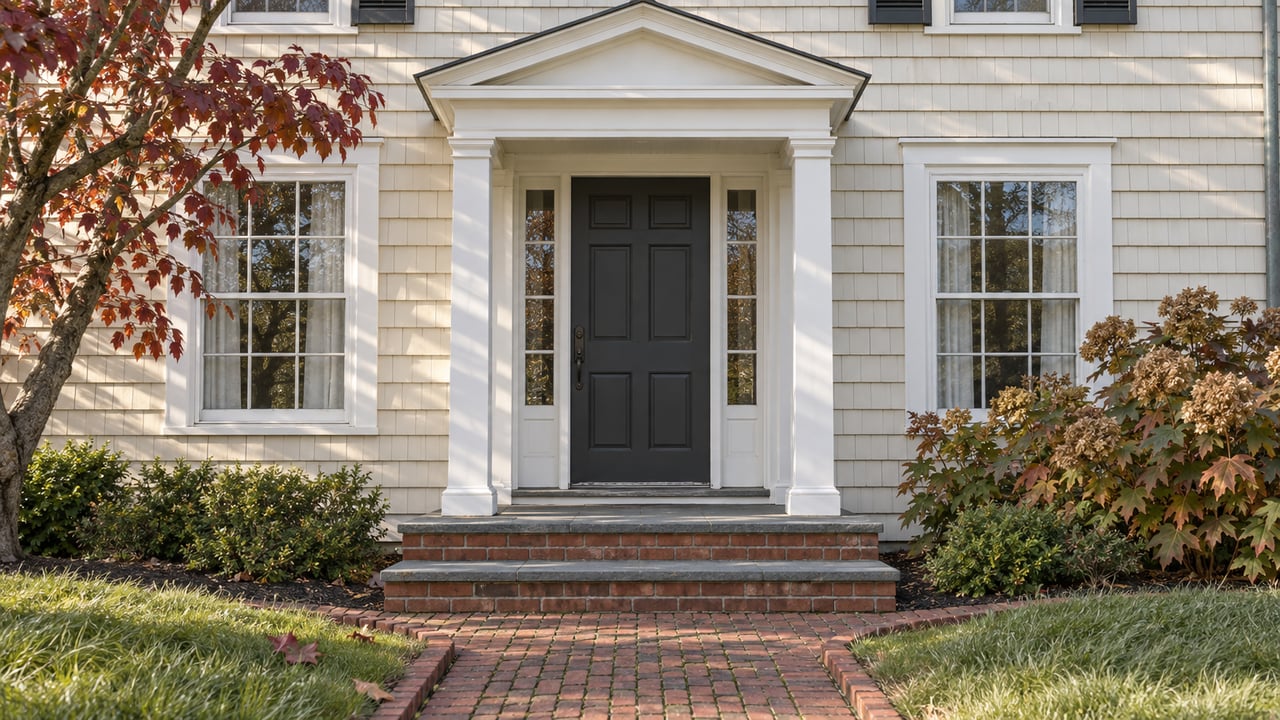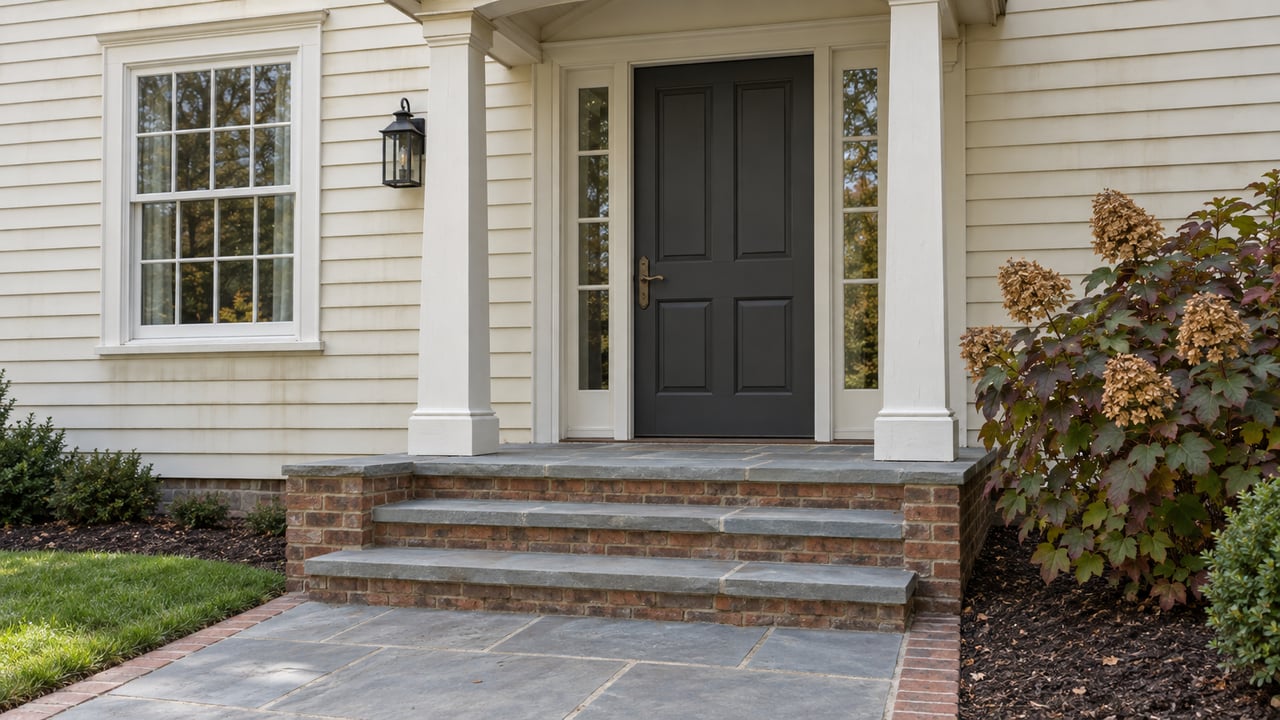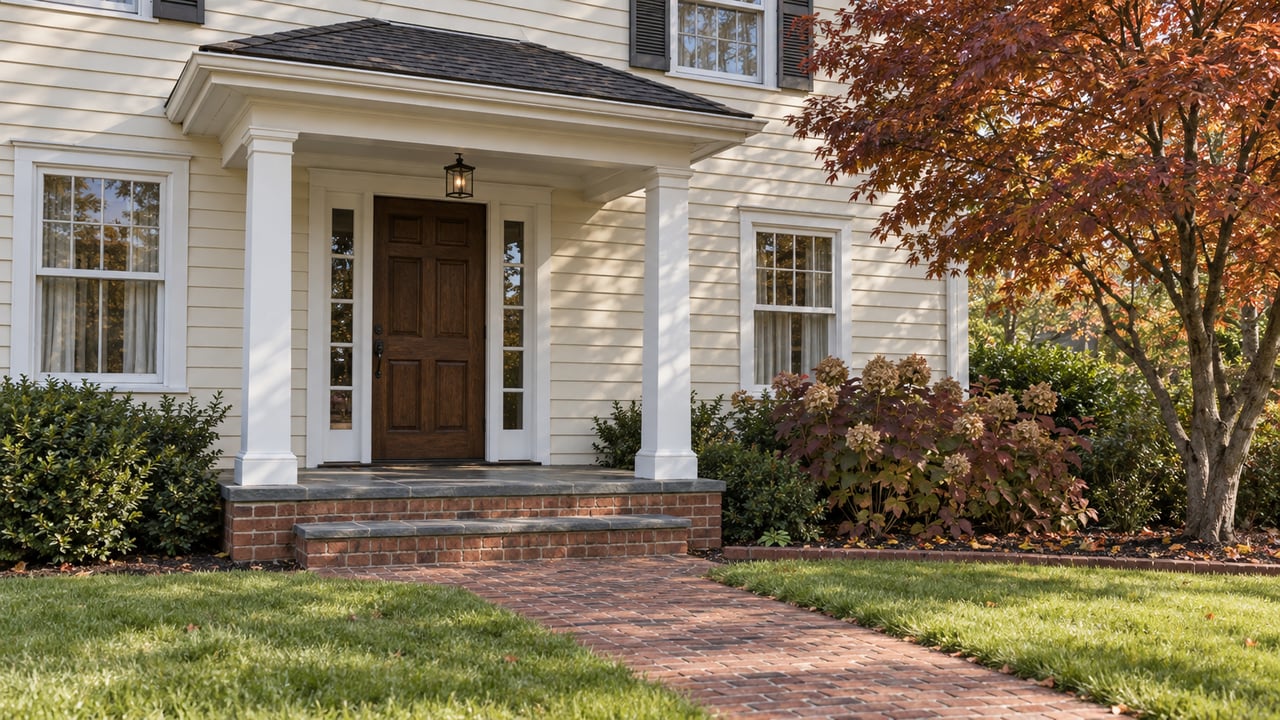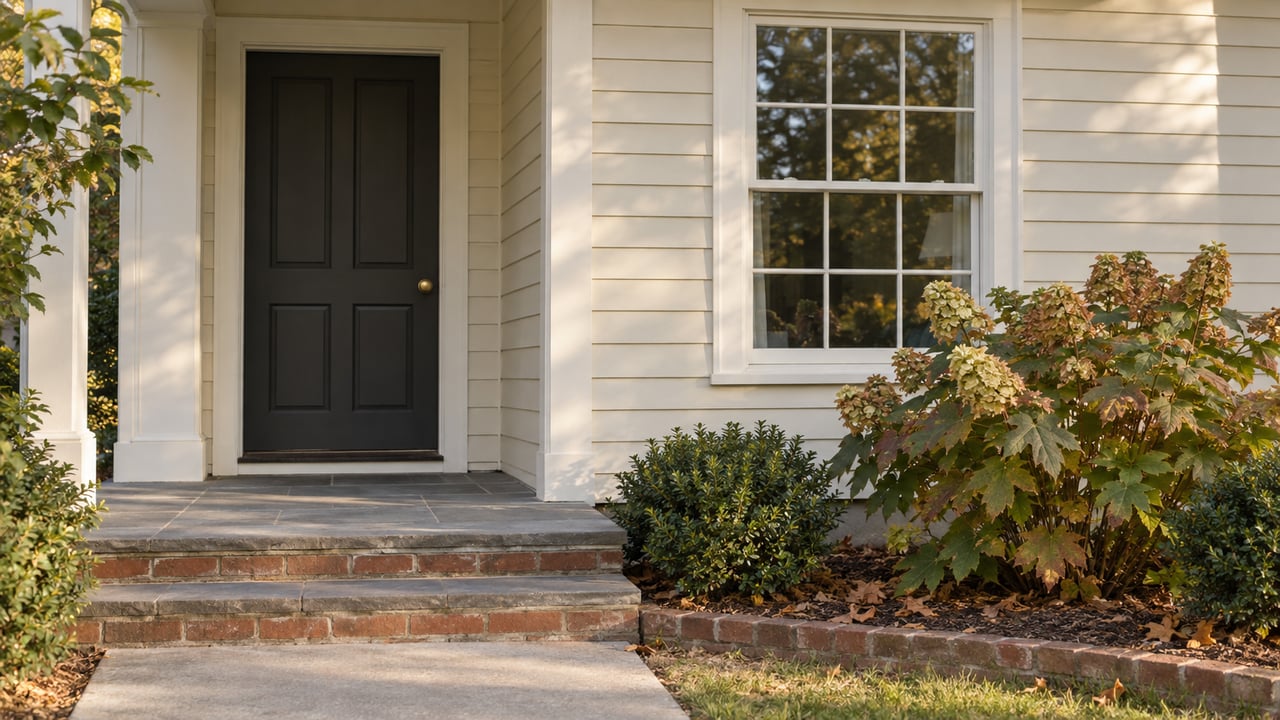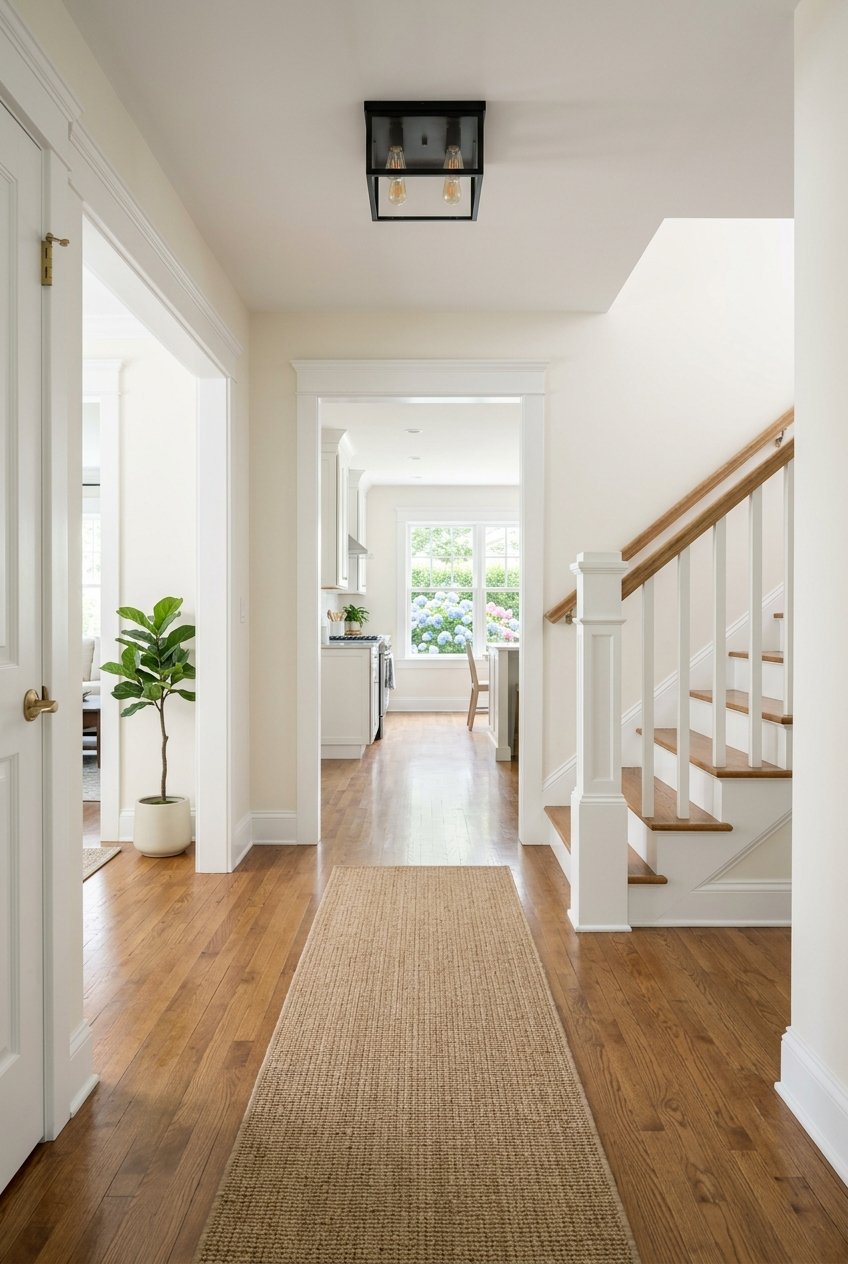
If you’re house hunting in Massapequa, chances are you’ll come across a lot of homes labeled “Colonial.” But that word can mean different things depending on the house, its age, and how much it has been updated. If you understand what Colonial homes usually look like in this market, you can shop with more confidence, ask better questions, and budget more wisely. Let’s dive in.
Why Colonials are common in Massapequa
Massapequa is a strongly owner-occupied suburban market with a housing stock made up mostly of single-family homes. According to the U.S. Census Bureau’s Massapequa profile, the owner-occupied housing rate is 96.8%, and the median owner-occupied home value is $693,200. That helps explain why detached houses shape so much of the local market.
The housing mix also tells an important story. A Point2Homes demographic profile reports that 97% of Massapequa homes are detached single-family structures, with a median construction year of 1956. More than half were built in the 1950s, and another 19.4% were built in the 1960s, which means many local Colonials are postwar suburban homes rather than much older estate properties.
That timeline lines up with Massapequa’s growth. The Massapequa Water District history shows customer connections rising from 184 in 1931 to 9,090 in 1955, reflecting how quickly the area developed. For you as a buyer, that means many Colonial homes in Massapequa were built for suburban living and may blend traditional curb appeal with mid-century construction details.
What “Colonial” usually means here
In broad terms, Colonial Revival architecture often includes a symmetrical front, a centered entrance, double-hung windows, and decorative entry details like columns, pilasters, fanlights, or sidelights. The National Park Service explains that Colonial Revival draws inspiration from earlier American architecture without copying it exactly. So when you see a home marketed as a Colonial, you are often looking at a style category as much as a floor plan.
Historic New England describes the classic Colonial tradition as a symmetrical, two-story house with a center-entry façade and a two-room-deep center-passage plan. You can read more in its architectural style guide. In Massapequa, that often translates into a central hall layout, formal front rooms, and bedrooms on the second floor.
Because many of these homes date to the 1950s and 1960s, the interior may feel more divided than a newer open-concept house. That does not mean the layout is a problem. It just means you should expect some homes to have more defined rooms, narrower openings, and a more traditional flow.
Common Colonial features to expect
When you tour Colonial homes in Massapequa, you may notice a few repeating patterns.
Symmetry and curb appeal
One of the biggest draws is the exterior look. Many Colonials have balanced front windows, a centered front door, and a clean, timeless appearance that still feels popular with today’s buyers. In many cases, the front elevation is part of what gives the home its lasting appeal.
Two-story living
A true selling point for many buyers is the separation between living and sleeping space. Main living areas are often downstairs, while bedrooms are upstairs. That setup can feel practical if you want more structure and privacy in daily life.
Formal front rooms
Many older Colonials include a formal living room, dining room, or both near the front of the home. Depending on your lifestyle, those rooms can stay traditional or be reimagined as a home office, playroom, or flexible sitting area.
Center-hall layouts
In many Massapequa Colonials, the entry opens to a hallway with rooms branching off each side. Buyers often love this layout for its classic look and clear organization. At the same time, it may feel less open than newer homes unless it has been updated.
How updated interiors can differ
A key thing to remember is that “Colonial” often refers to the shell and the curb appeal as much as the exact interior layout. In practice, you may find a home with a very traditional exterior and a much more modern inside. That is especially common in markets like Massapequa where many homes have been improved over time.
Based on the traditional Colonial form and the age of local housing stock, common updates often include larger kitchens, wider openings between living and dining spaces, first-floor laundry, mudrooms, added bathrooms, finished basements, and attic or dormer conversions. These changes help older homes function better for current lifestyles while keeping the classic front appearance many buyers want.
That means two homes both listed as Colonials can live very differently. One may feel original and compartmentalized, while another may feel bright, expanded, and closer to an open-plan design. When you tour homes, focus on how the layout works for your day-to-day life rather than relying on the label alone.
Dutch Colonial vs. standard Colonial
You may also come across Dutch Colonial homes in Massapequa. According to the National Park Service’s overview of Colonial Revival architecture, Dutch Colonial forms often feature a gambrel roof and dormers. That roof shape can create more usable space on the upper level.
For some buyers, that difference matters a lot. If you are comparing a standard side-gable Colonial with a Dutch Colonial, the Dutch version may offer a different second-floor feel, especially in ceiling lines and room usability. It is worth paying attention to that during showings, especially if upstairs space is high on your wish list.
What to watch for in older Colonial homes
Because many Massapequa Colonials date back several decades, condition and maintenance matter just as much as style. Older homes can be wonderful, but they usually reward buyers who look closely at the basics.
Historic New England’s homeowner primer recommends preventive maintenance such as gutter cleaning, exterior painting, and using appropriate wood preservative. The same resource notes that historic windows can often be repaired and improved with storm windows, and that replacing them may remove an important character feature.
Moisture control is especially important. Historic New England also highlights the need to watch wood siding, shingles, foundations, spalling masonry, and mortar compatibility. In practical terms, that means you should pay close attention to signs of water intrusion, deferred exterior maintenance, and foundation-related wear.
Flood risk is part of due diligence
In Massapequa, water is not just a maintenance issue. It can also be part of a property’s larger risk profile. The Town of Oyster Bay says it completed a flood diversion and control project in the southern portion of Massapequa because several low-lying roadways had experienced significant flooding and tidal flooding risk.
Before you move forward on a Colonial home, it is smart to review the property’s flood zone status through FEMA’s Flood Map Service Center. FEMA also warns that homeowners insurance usually does not cover flood damage. Even if a house checks many of your boxes, flood due diligence should be part of the conversation early.
Budget items to plan for
When you are building an offer strategy for an older Colonial in Massapequa, it helps to think beyond purchase price. Some of the most common budget categories for homes of this age include:
- Roof condition
- Window repair or restoration
- Insulation improvements
- HVAC updates
- Electrical updates
- Basement moisture management
- Drainage improvements
You may not face every item at once, of course. But having a realistic improvement budget can help you compare homes more clearly and avoid surprises after closing.
Why Colonials still appeal to Massapequa buyers
There is a reason this style remains so popular. Colonial homes offer a classic exterior, a familiar two-story layout, and a strong fit with Massapequa’s suburban housing character. In a community where detached single-family homes dominate, the Colonial remains one of the most recognizable and practical options.
For some buyers, the appeal is charm and symmetry. For others, it is the opportunity to buy a well-located home with solid bones and update it over time. Either way, understanding what is typical in this market helps you separate surface-level style from real long-term value.
If you’re thinking about buying or selling a Colonial in Massapequa, working with someone who knows the local housing stock can make the process feel much clearer. Christine Biordi brings true Massapequa roots, practical guidance, and hands-on support to help you make a confident move.
FAQs
What does Colonial mean in the Massapequa housing market?
- In Massapequa, Colonial usually refers to a two-story home with a symmetrical front, centered entry, and bedrooms upstairs, though layouts and updates can vary widely.
Are most Colonial homes in Massapequa very old historic houses?
- No. Many Massapequa Colonials are postwar suburban homes built in the 1950s and 1960s rather than much older prewar estate-style properties.
What layout should buyers expect in a Massapequa Colonial home?
- Many buyers will find a central hall, formal front rooms, and a more compartmentalized layout than in newer open-concept homes.
What should buyers inspect in older Colonial homes in Massapequa?
- Buyers should pay close attention to roof condition, windows, moisture management, drainage, basement conditions, exterior materials, HVAC, and electrical systems.
Why does flood risk matter when buying a Colonial in Massapequa?
- Flood risk matters because parts of Massapequa have experienced flooding issues, and FEMA notes that standard homeowners insurance usually does not cover flood damage.
What is the difference between a Dutch Colonial and a standard Colonial in Massapequa?
- A Dutch Colonial often has a gambrel roof and dormers, which can create more usable upper-level space than a standard Colonial design.