Trying to choose between Massapequa and Massapequa Park? You are not alone. These neighboring South Shore communities share a lot, which can make the decision feel harder than expected. The good news is that once you look at size, housing, commute details, and day-to-day lifestyle, the differences become much clearer. Let’s dive in.
Massapequa vs. Massapequa Park at a Glance
Massapequa Park is an incorporated village in Nassau County, while Massapequa is the adjacent census-designated place. One of the biggest practical differences is size. Massapequa Park is about 2.2 square miles, while Massapequa is about 3.56 square miles.
That means Massapequa Park is the smaller, more compact option. If you care about a station-centered routine, shorter local drives, or a more contained village feel, that can matter. If you prefer a broader residential area with a little more spread, Massapequa may feel like a better fit.
Housing Styles Feel Familiar in Both
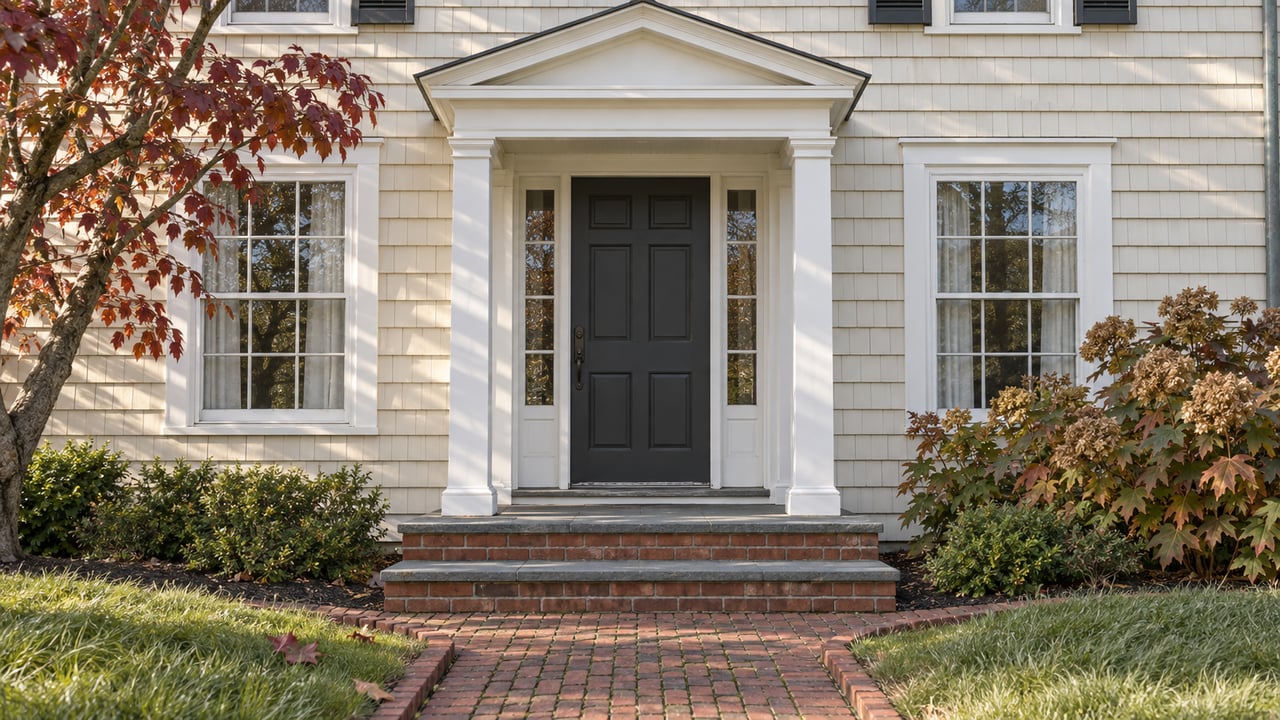
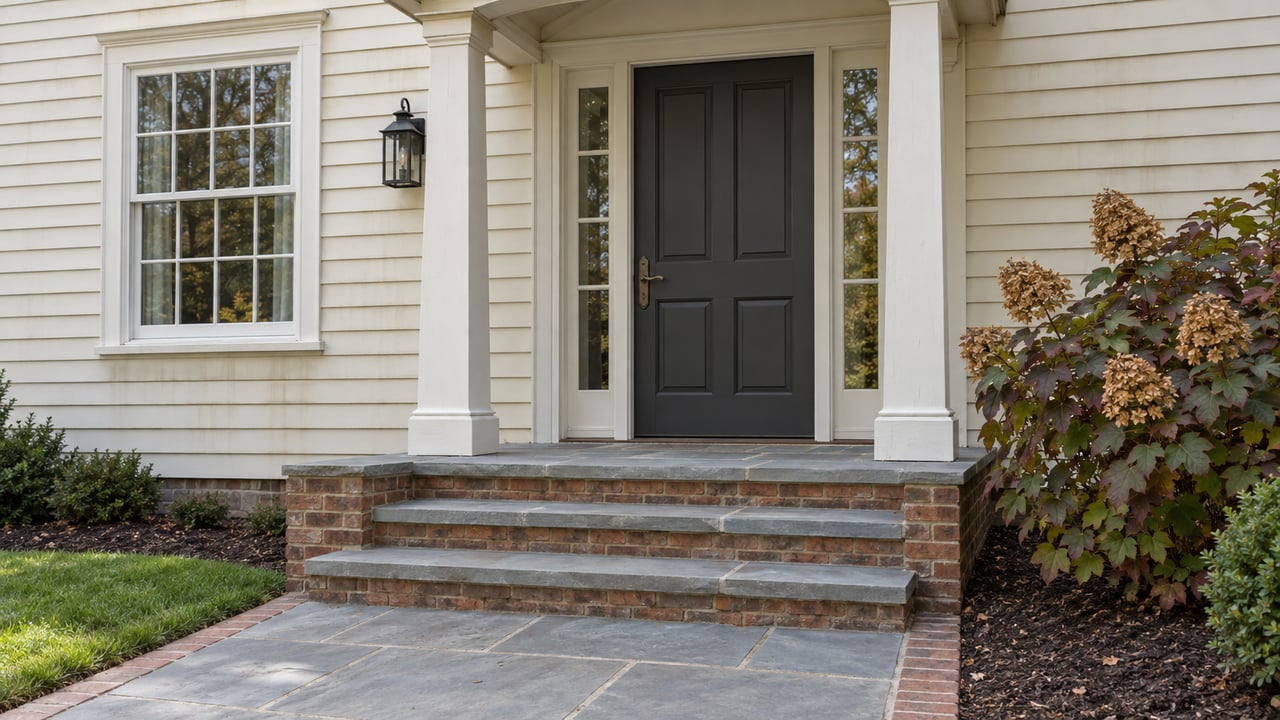
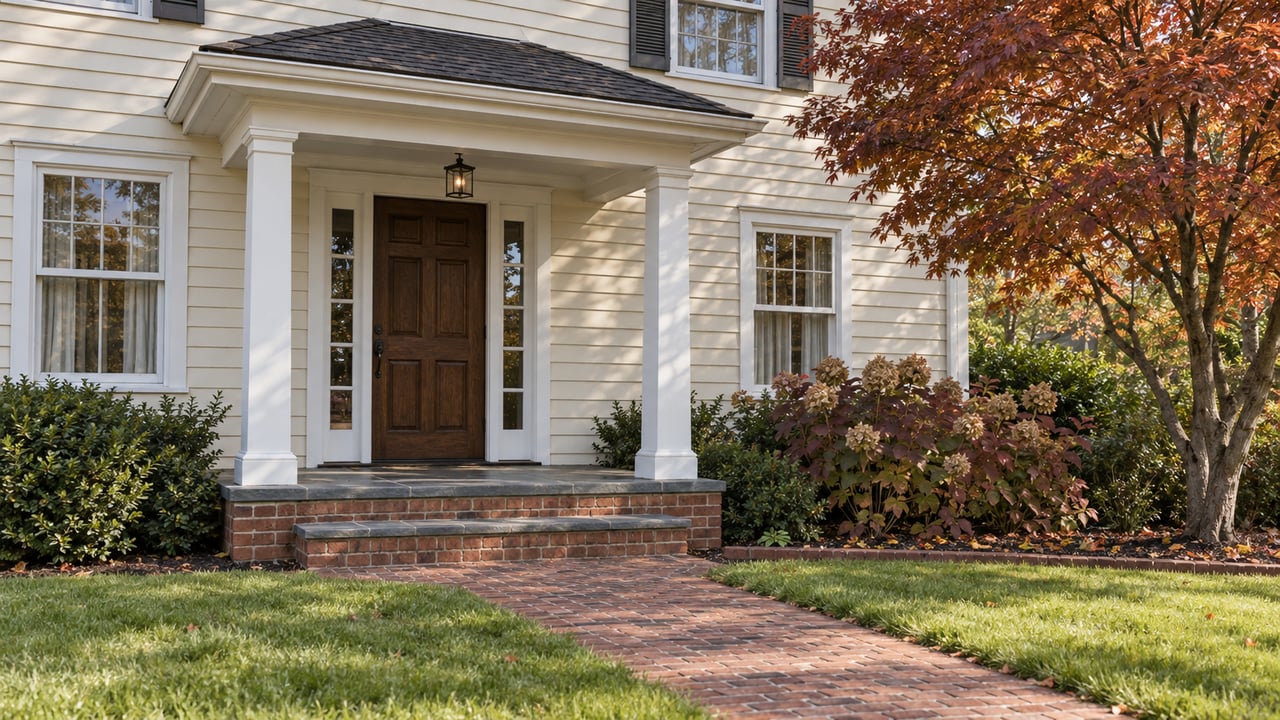
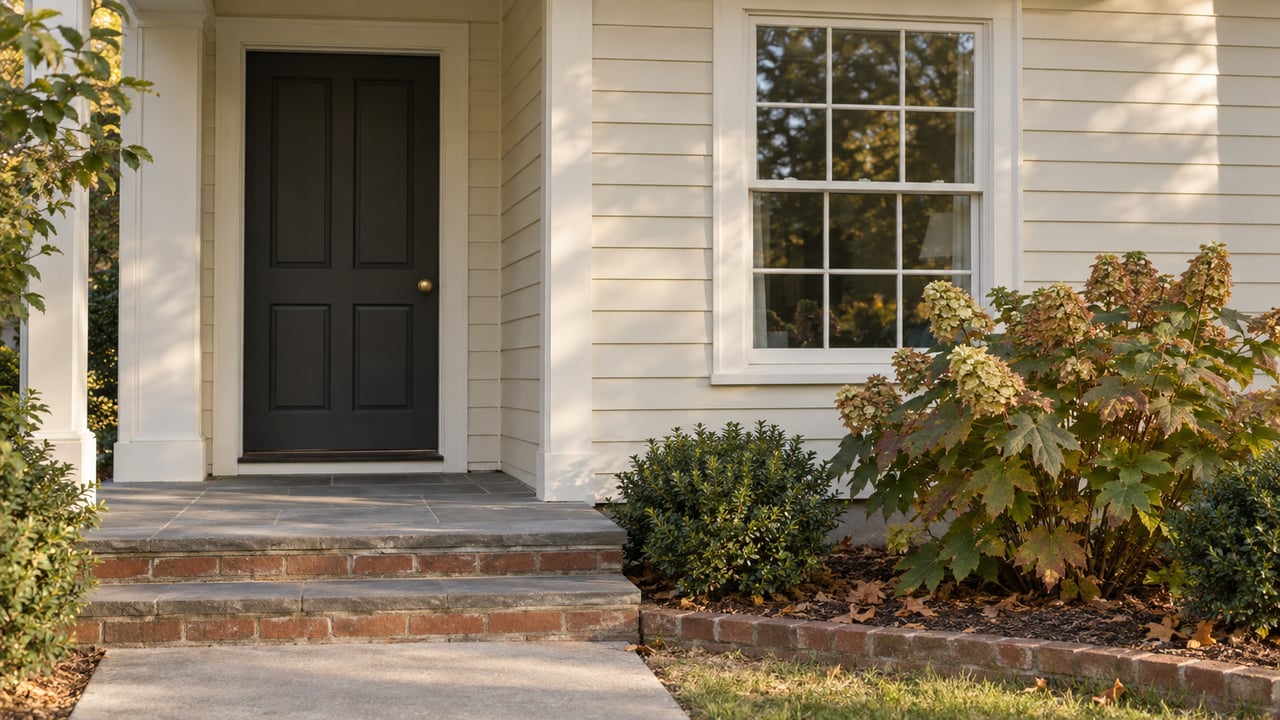
If you are shopping for a classic Long Island single-family home, both communities will likely feel familiar. Public data show that both Massapequa Park and Massapequa are made up of about 98% single-unit housing, and both have very high owner-occupied rates.
In simple terms, you are looking at two markets dominated by established single-family neighborhoods rather than large amounts of new construction. Common home styles include Cape Cods, colonials, ranches, and split-level homes. You may also find waterfront or canal properties in both areas, though Massapequa is generally described as having a broader mix of inland and waterfront options.
Price Differences Are Not Always Clear-Cut
A lot of buyers start this comparison by asking which community is more affordable. The honest answer is that the two markets overlap quite a bit. Census data place median owner-occupied home values at $642,600 in Massapequa Park and $693,200 in Massapequa, which suggests both sit in a similar upper-suburban price range.
More current public market snapshots show that the gap can shift depending on the source and the month. Zillow’s 2026 home-value snapshot put Massapequa Park at $794,474 and Massapequa at $786,608, with median list prices of $799,500 and $783,500, respectively. Redfin and Realtor.com snapshots also showed Massapequa Park reading somewhat higher in some recent sales data.
The key takeaway is simple: do not assume one label always means a lower price. If budget is your main concern, it is smarter to compare specific homes, blocks, condition, lot size, and updates rather than relying on the town name alone.
Inventory May Be Better in Massapequa
If you want more options to choose from, Massapequa may give you a slight edge at any given moment. Zillow’s snapshot showed 73 homes for sale in Massapequa compared with 32 in Massapequa Park.
That does not mean Massapequa is always the better choice. Inventory changes quickly, and the right home can come up in either market. Still, if you want a wider pool of listings during your search, Massapequa may offer a little more breathing room.
Daily Life Feels a Bit Different
This is where the choice often becomes more personal. On paper, Walk Score gives Massapequa a slight edge, with a score of 51 compared with 47 for Massapequa Park.
But numbers do not always tell the full story. Massapequa Park has a more concentrated village center around Park Boulevard and the LIRR station. That can give parts of the village a more walkable, downtown-style feel for errands, coffee stops, and local dining, even though the overall score is a little lower.
Walk Score also notes about 50 restaurants, bars, and coffee shops in the village area. If you like the idea of living near a compact downtown cluster, Massapequa Park may stand out.
Village Governance Is a Real Difference
Massapequa Park has something Massapequa does not: an incorporated village government layer. That may sound minor, but it can shape how the community feels and functions.
The village highlights resident-facing governance and local community events like a Memorial Day Parade, an Independence Day Parade, and a Street Fair. For some buyers, that adds to the appeal of a more defined village identity. If you are looking for a place with a strong local rhythm and community calendar, this may be an important point in Massapequa Park’s favor.
Commuting Is Similar, but Parking Rules Are Not
For train commuters, both communities are served by the LIRR Babylon Branch. Both Massapequa and Massapequa Park are in fare zone 7, and current service includes Penn Station, Grand Central, Atlantic Terminal, Hunterspoint Avenue, Long Island City, and Jamaica.
Travel times are also fairly close. Census QuickFacts show a mean travel time to work of 37.1 minutes in Massapequa and 35.5 minutes in Massapequa Park.
Where the difference gets more practical is parking. At Massapequa Park station, the village handles parking permits, and all parking areas require a resident or non-resident permit. Massapequa Park residents may also obtain a one-day permit instead of an annual permit.
At Massapequa station, parking is managed by the Town of Oyster Bay. There is free unrestricted parking after 8:45 a.m., while a resident permit is required before then. If you plan to drive to the train, these rules are worth understanding early because they can affect your daily routine as much as the train schedule itself.
Who Might Prefer Massapequa Park
Massapequa Park may be the better fit for you if you want:
- A smaller, more compact community
- A station-centered downtown feel
- A distinct incorporated village identity
- Local events and a strong village-centered rhythm
- A home search focused on a tighter footprint
For many buyers, Massapequa Park feels a little more contained and village-like, especially near the station and Park Boulevard area.
Who Might Prefer Massapequa
Massapequa may be the better fit for you if you want:
- A larger residential area
- More active inventory at a given time
- A slightly more spread-out feel
- A broader mix of properties, including more waterfront variety
- More flexibility if you are casting a wider search net
For buyers who want more options and a little more room to compare neighborhoods and home types, Massapequa can be appealing.
How to Decide Between the Two
If you are still torn, focus on the parts of daily life that matter most to you. Start with your real routine, not just the map. Think about how often you will use the train, whether you want to be close to a village center, and how much inventory you need to feel comfortable making a decision.
It also helps to rank your top priorities before you start touring homes. Ask yourself:
- Do you want a compact village setting or a broader residential area?
- Will train-station parking rules affect your weekdays?
- Do you want more listing options, even if the area feels less concentrated?
- Are you comparing value based on house condition and location, not just ZIP code or community name?
In this part of Long Island, two communities can look very similar on paper but feel different once you drive them block by block. That is why local guidance matters.
Whether you are buying your first home, moving within the South Shore, or trying to narrow your search with confidence, working with someone who knows the small differences can make the process much easier. If you want help comparing homes in Massapequa and Massapequa Park, connect with Christine Biordi for local, hands-on guidance.
FAQs
What is the main difference between Massapequa and Massapequa Park?
- Massapequa Park is smaller, more compact, and has an incorporated village structure, while Massapequa is larger and generally offers a more spread-out residential footprint.
Are home prices higher in Massapequa Park or Massapequa?
- Public data show a lot of overlap, and recent snapshots can vary by source, so it is best to compare individual homes and locations instead of assuming one community is always more affordable.
Is commuting from Massapequa Park different from commuting from Massapequa?
- Train service is very similar because both are on the LIRR Babylon Branch in fare zone 7, but station parking rules differ and can have a real impact on your routine.
Does Massapequa Park feel more walkable than Massapequa?
- Overall walkability scores slightly favor Massapequa, but Massapequa Park often feels more village-like near its downtown and train station because amenities are clustered more tightly there.
Which area has more homes for sale, Massapequa or Massapequa Park?
- In the public market snapshot cited, Massapequa had more active inventory than Massapequa Park, which may give buyers more options at a given moment.
Should buyers choose Massapequa or Massapequa Park based on price alone?
- No. Because the two markets overlap so much, you will usually make a better decision by comparing home condition, layout, lot, location, and commute fit rather than using community name alone.